Meet DMS Print Director Kevin Reeder

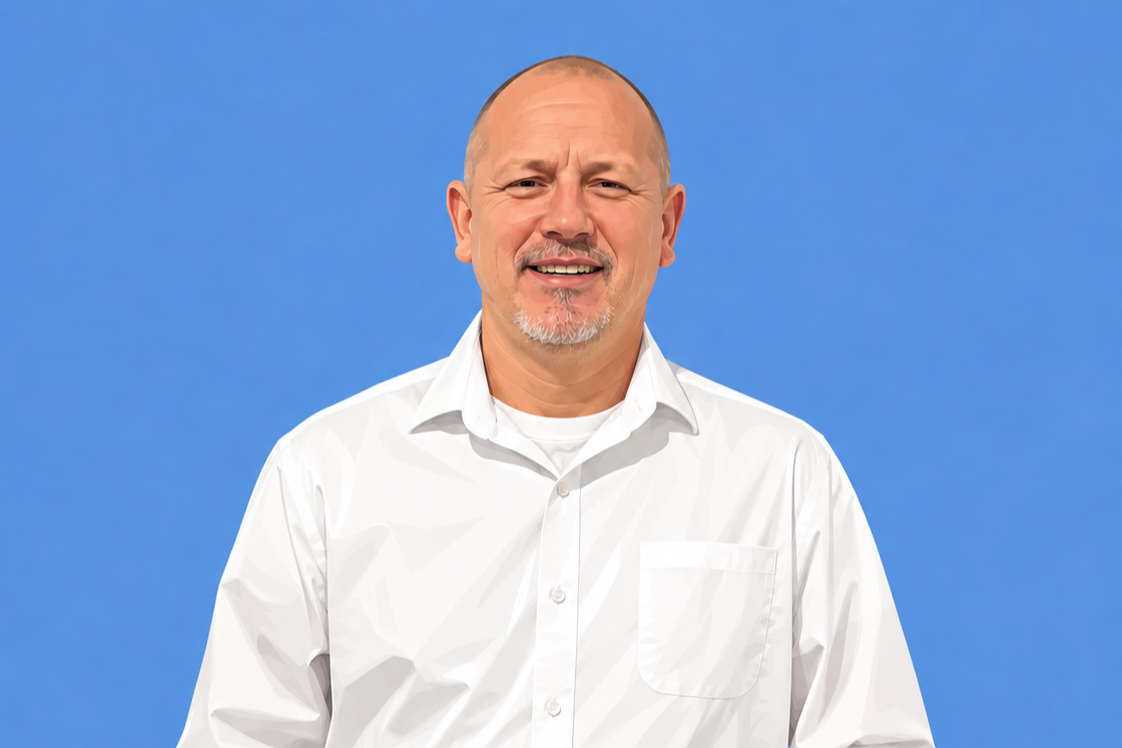
Meet DMS Print Director, Kevin Reeder. Kevin helps clients deliver complex direct mail campaigns through careful planning, communication, adaptability, and teamwork. His commitment to excellence keeps projects moving when challenges arise.
What does a typical day look like for an Operations Director at DMS?
My day typically starts around 7 a.m. One of the most important parts of my morning is getting out on the production floor and talking with our people. I try to say good morning to everyone, see how their morning is going, and find out if they're dealing with any challenges that I need to be aware of.
I spend roughly 60% of my day on the production floor. After that initial interaction with the team, I review the previous day's and night's production numbers and look at where we performed well and where we may have opportunities to improve. Throughout the day, I'm also fielding questions and helping our teams work through production issues as they arise.
In operations, every day is a little different. The key is staying connected to what's happening on the floor and being available to help the team solve problems quickly.
What's one aspect of production management that clients might not realize is critical to campaign success?
I think one of the biggest things clients may not see is just how much flexibility and problem-solving happens behind the scenes.
Almost every day, we deal with tight turnaround times, changing priorities, equipment issues, material challenges, or unexpected production problems. When a machine goes down, for example, the question isn't simply, "How do we fix it?" We also have to ask, "How quickly can we get it repaired? Can we move the work to another machine? Do we have the capacity and materials to make that change without affecting another customer's schedule?"
The majority of our mailings have tight turn times, so our ability to manage multiple priorities simultaneously and adapt quickly is critical. A successful production operation has to be prepared for the unexpected and still keep the customer's commitment at the center of every decision.
Can you share an example of how you and your team helped keep a project on track despite unexpected challenges?
One example is a recent planned upgrade to one of our presses that required the machine to be down for approximately two and a half days. With that press unavailable, all of the work that would normally run on it had to shift to our other press.
Rather than simply accepting the potential loss in production, we adjusted our operators' shifts to maximize the available production time on the remaining machine. We also worked closely with our scheduling and mailing teams so they understood the situation and could plan for any potential delays if we fell behind.
The key was planning ahead and communicating across departments. Equipment downtime is sometimes unavoidable, but the impact it has on our customers can be managed through preparation, flexibility, and teamwork.
How do strong operations and production processes ultimately benefit clients?
Strong operations give our clients something that is extremely important in this industry: confidence.
When our processes are working well, clients can trust that their projects are being produced with the right quality, managed efficiently, and delivered when promised. Good production processes also allow us to identify potential problems earlier and respond quickly when something unexpected happens.
Our clients don't necessarily need to see everything that happens behind the scenes. They need to know that their project is being managed by a team that understands the importance of quality, timing, communication, and execution. That's what strong operations should provide.
What production opportunities do you see for the future of DMS?
I think there are opportunities both in technology and in how we operate as an organization. Finding ways to reduce touch points throughout the production process is an area that could provide significant benefits. The fewer times we have to handle, move, or intervene in a job, the more efficiently we can produce it and the fewer opportunities there are for errors.
I also believe that continuing to build the right culture within our operation is important to our future growth. Having engaged people who take ownership, communicate well, and are focused on solving problems can have just as much impact on our potential as new equipment or technology.
Technology will continue to give us opportunities to become more efficient, but ultimately, it's our people and our processes that determine how effectively we use that technology.
After decades in the industry, what’s a lesson you've learned about delivering successful campaigns that still holds true today?
The biggest lesson I've learned is that successful production starts with communication and preparation.
Problems are going to happen in this business. Equipment breaks down, materials change, schedules move, and customer requirements evolve. What separates a successful operation is how quickly you identify the issue, communicate it, and develop a solution without losing sight of the customer's deadline or quality expectations.
After decades in this industry, I've learned that you can't always control what happens, but you can control how you respond to it. Having a good team, communicating with each other, and being willing to adapt can make the difference between a production challenge becoming a major problem or simply becoming something the team works through and moves past.
About the author:
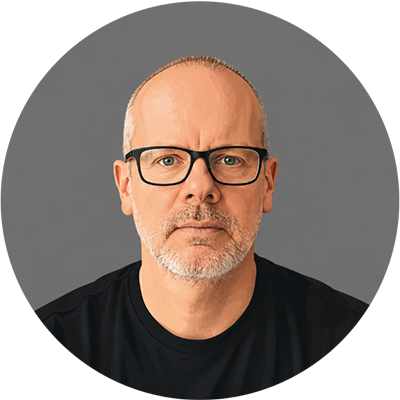
David Kindervater is a Content Marketing Specialist at DMS with nearly two decades of marketing and content creation experience. He specializes in SEO, AEO, and GEO strategies, creating content that strengthens visibility across search engines and AI-driven platforms. David collaborates with DMS’ marketing/sales team and subject matter experts to develop educational content that helps organizations grow and make better business decisions.
Ready to put us to work?
Reach out today.